
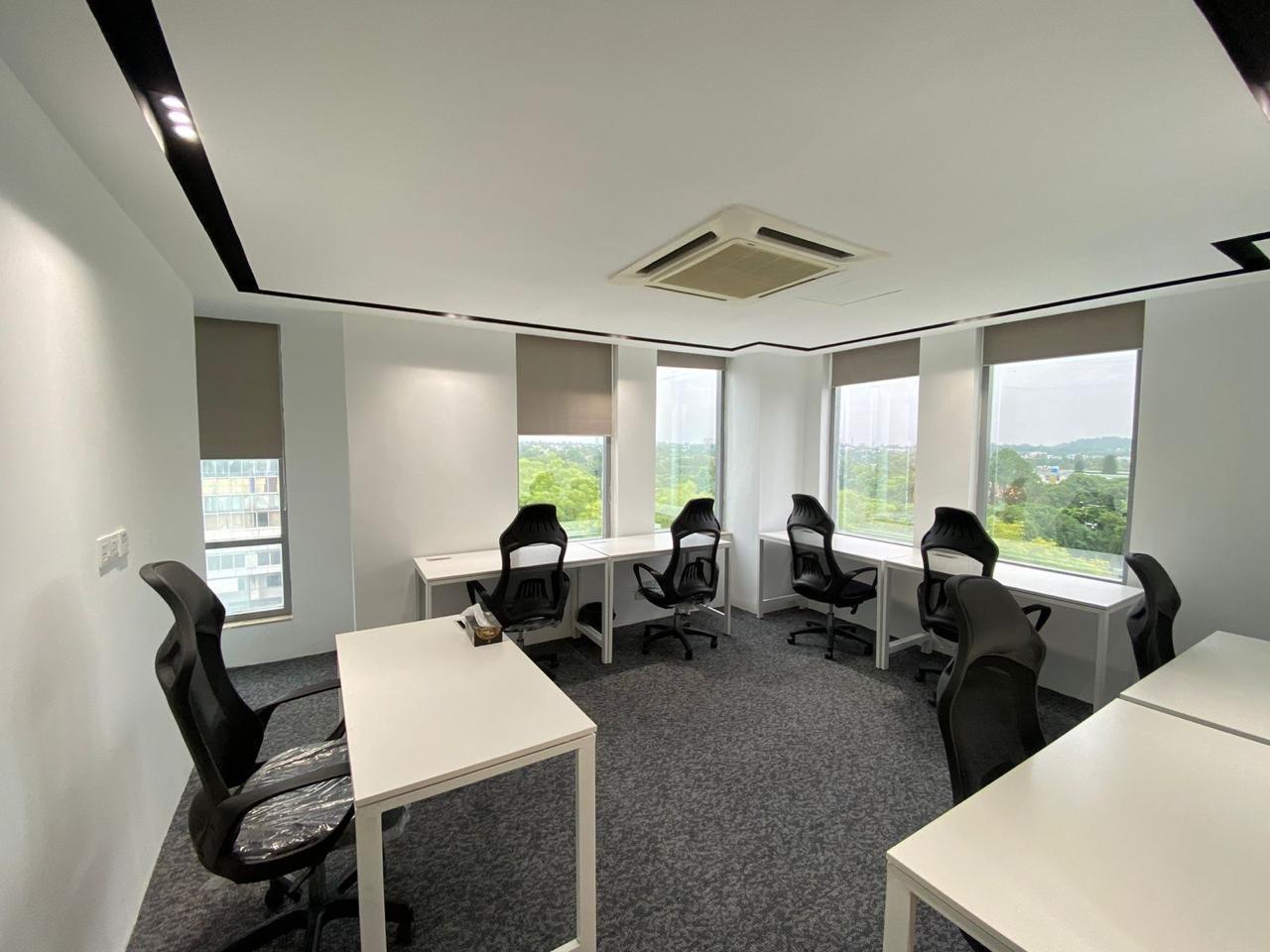
A dedicated desk and a hot desk both place you in a shared coworking environment, but they solve different work problems. A dedicated desk gives one member a consistent workstation, while a hot desk is selected from the available shared seating each time you arrive.
For professionals comparing a coworking space in Islamabad, the better choice depends less on the label and more on your routine, equipment, privacy needs and how often you work on-site. This guide explains the differences without assuming a particular price or package.
Dedicated desk vs hot desk: the quick answer
Choose a dedicated desk if you work from the same location regularly, value a predictable setup, or use equipment and materials that are inconvenient to carry every day.
Choose a hot desk if your schedule changes, you visit occasionally, travel frequently, or prefer the flexibility to use an available workstation without keeping the same seat.
Neither option is automatically better. The right workspace is the one that removes friction from your normal working week.
What is a dedicated desk?
A dedicated desk is a workstation assigned to one member for the agreed membership period. You return to the same desk rather than choosing a different available seat on each visit. It remains part of a shared coworking workspace, so it should not be confused with an enclosed private office.
The details vary by provider. Before joining, confirm whether the desk is exclusively reserved, whether you may leave equipment there, what storage is available, and which shared resources are included. “Dedicated” describes the workstation assignment; it does not guarantee every facility or service.
What is a hot desk?
A hot desk is a shared workstation used by different members at different times. You normally choose from the available seating when you arrive and clear the desk when you leave. Some providers offer hot desks through day access, part-time plans or broader coworking memberships, but the exact terms differ.
This model works well when mobility matters more than having a permanent setup. It can also help a first-time coworking user learn which seating style and working routine suit them before making a longer commitment.
How dedicated and hot desks compare
Consistency and setup time
A dedicated desk provides a familiar position and routine. If the membership permits you to leave approved items at the workstation, you may spend less time setting up each day. This can be useful for professionals who use a monitor, keyboard, reference material or other work tools.
A hot desk requires a reset on each visit. For someone carrying only a laptop and headphones, that may take very little time. For a more equipment-heavy workflow, repeated setup and packing can become an avoidable burden.
Schedule flexibility
Hot desking is often the natural fit for occasional or variable attendance. If you work from home on some days, visit clients on others, or need a professional workspace only at selected times, paying for a permanently assigned workstation may not match your usage.
A dedicated desk is more logical when coworking is your main work base. The important question is not whether your week is perfectly regular, but whether you return often enough to benefit from a consistent workstation.
Storage and equipment
Do not assume that a dedicated desk automatically includes storage or permission to leave devices overnight. Ask what may remain at the workstation, how items are secured, and whether lockers or other storage are included or separately arranged.
Hot-desk users should plan for a portable setup. A compact charger, laptop stand, headphones and any required adapters can make changing workstations easier. Valuable items should leave with you unless the provider has confirmed a secure storage arrangement.
Privacy and focused work
Both desk types are generally located in shared areas. A reserved workstation may provide consistency, but it does not create the visual or acoustic privacy of an enclosed room. If your work involves confidential calls, sensitive documents or frequent private discussions, ask how the space handles calls and whether a private office or meeting room would be more appropriate.
For concentrated individual work, visit the workspace at the time you expect to use it. Noise, movement and seating patterns can vary during the day, and a real working-hour visit is more informative than a quick tour of an empty room.
Community and networking
Hot desking can place you near different people over time, which some members enjoy. A dedicated desk creates a stable neighbourhood and may make it easier to develop a routine with nearby members. Neither arrangement guarantees business connections; the value depends on how you prefer to work and interact.
Cost and value
A hot-desk option may offer better value for occasional attendance, while a dedicated workstation may justify a greater commitment for someone using it frequently. Avoid comparing only the advertised amount. Ask for a current written explanation of access, booking rules, storage, meeting-room use, printing, notice terms and any additional charges.
Then divide the total commitment by the number of days you realistically expect to use the space. A lower headline figure is not good value if the arrangement creates daily inconvenience, while a more consistent setup may be worthwhile if it saves time throughout the month.
Who should choose a dedicated desk in Islamabad?
Full-time freelancers and consultants
A professional who works on-site most weekdays may benefit from a permanent base. The same workstation can support a consistent start-of-day routine and reduce the practical feeling of being a temporary visitor.
Remote employees with a stable schedule
If your employer allows remote work but your home environment is unsuitable for daily calls and focused tasks, a dedicated desk can create separation between home and work. Confirm that the workspace environment supports your normal call pattern before committing.
Solo founders building a regular operating base
A founder who is not ready for an enclosed office may still want a dependable place to work, keep an approved setup and meet collaborators. A dedicated desk can be a middle ground between fully flexible seating and a private room.
Professionals using a larger desk setup
Designers, developers, analysts and other laptop-based professionals may use external equipment. If that describes your workflow, ask whether the workstation, power arrangement and storage policy can support the specific equipment you intend to use. Do not rely on generic amenity lists.
Who should choose a hot desk in Islamabad?
Hybrid workers who visit occasionally
If you need a workspace only on selected days, hot desking can provide a professional environment without reserving the same seat for the rest of the week.
Consultants who spend time at client sites
A consultant whose schedule changes between client offices, home and external meetings may value access flexibility more than a permanent setup. Check how booking or arrival works during your likely working hours.
People testing coworking for the first time
A flexible desk or day-pass arrangement can help you test the commute, environment and productivity impact before choosing a regular membership.
Travelling professionals
Someone visiting Islamabad for a short period may simply need a dependable place for focused work and calls. Share your dates and requirements with the provider rather than assuming that every flexible option has the same access conditions.
Why Blue Area matters when choosing a desk
A desk membership only creates value when you can use it consistently. Blue Area is a central commercial district in Islamabad and can provide a recognizable base for professionals working across the city. People travelling from Rawalpindi, Taxila or other parts of the Islamabad metropolitan area should test their actual route at the times they expect to commute.
Consider where clients, colleagues and home are located. A flexible desk close to occasional meetings may suit one person, while a dedicated workstation on a repeatable commute may suit another. Location should support your weekly pattern rather than simply sounding convenient on a map.
Questions to ask before choosing either option
- Is the desk assigned permanently or selected from available seating?
- Which days and hours can I access the workspace?
- Do I need to reserve a hot desk in advance?
- May I leave equipment at a dedicated desk?
- Is secure storage available, and under what terms?
- What happens if my attendance pattern changes?
- How are calls and confidential conversations handled?
- Which services are included, shared, limited or charged separately?
- What are the agreement, notice and renewal terms?
- Can I test the workspace during my normal working hours?
Put any important inclusion or operating condition in writing. Workspace terminology is not standardized enough to replace a clear agreement.
A simple decision test
Review your last four working weeks and answer these questions:
- How many days would you genuinely have used a coworking desk?
- How much equipment would you carry on each visit?
- How often do you need confidential calls or an enclosed room?
- Would using the same workstation materially improve your routine?
- How predictable is your commute and working schedule?
If attendance is frequent and setup consistency matters, a dedicated desk is probably the stronger fit. If attendance is occasional and portability is easy, hot desking is probably more practical. If privacy is the decisive requirement, compare an enclosed office rather than trying to solve that need with either shared-desk format.
Frequently asked questions
Is a dedicated desk the same as a private office?
No. A dedicated desk is normally an assigned workstation within a shared workspace. A private office is an enclosed room reserved for an individual or team.
Can I leave my monitor at a dedicated desk?
Only if the provider permits it and confirms the security and storage terms. Ask before bringing equipment and clarify who is responsible for items left on-site.
Do I need to book a hot desk in advance?
That depends on the provider and membership. Some spaces require advance booking, while others allocate available seating on arrival. Confirm the process for the days and hours you plan to attend.
Which desk is better for daily work?
A dedicated desk is usually more convenient for frequent attendance because it offers a consistent workstation. A hot desk can still work for daily use when your setup is portable and you do not mind changing seats.
Which option is better for client meetings?
Neither shared-desk type is a substitute for privacy. If clients will visit, confirm visitor rules and consider booking a meeting room in Islamabad for focused or confidential discussions.
Choose the desk that fits your real week
A dedicated desk is best viewed as a consistent operating base; a hot desk is best viewed as flexible access to a shared workspace. Your attendance, equipment and privacy needs should decide between them.
To compare current coworking options in Blue Area, explore DeskCo workspaces or contact the DeskCo team with your expected working days, hours and setup requirements. Ask for current availability, inclusions and terms before choosing a plan.